Tia May on PTSD, Advocacy, and Finding Hope With 22ZERO
Tia May is an Army veteran and mental health advocate in Middle Tennessee. She shares her story openly to break the stigma around mental health, and she serves as a mental health ambassador for 22ZERO, a nonprofit whose session she says eased her PTSD symptoms and is free for veterans and first responders. Learn more and reach out at 22zero.org.
Listen to the episode
Jump to a moment
- 00:00, Welcome to You Matter Nashville
- 00:52, Tia May's Inspiring Journey
- 05:58, Mental Health Advocacy and 22 Zero
- 11:56, Breaking the Stigma of Mental Health
- 17:49, The Importance of Community and Connection
- 24:07, Motorsports as a Healing Outlet
- 27:58, Resources for Veterans and Mental Health
- 28:15, Support for Veterans and First Responders
- 31:36, The Importance of Mental Health and Counseling
- 35:41, Understanding Trauma and Its Effects
- 42:27, Connecting Through Motorsports
- 49:53, A Message of Hope and Community
This episode discusses veteran mental health, PTSD, and suicide, so please listen with care and reach out for support if you need it.
Who is Tia May, and how did her story begin?
Tia May is an Army veteran who moved to Nashville in 2011 to build a life in art while her husband came for music. For a while, it was going well.
She painted, did body paint for music videos, shot for magazines, and finally started tattooing, a goal she'd held since she was a teenager. Then the health problems that began after she joined the military at 19 caught up with her. Over the years, her hands and feet were affected so badly that she couldn't sustain the work she loved.
Losing that, on top of trauma from childhood and her service, pulled her into a dark place. She felt lost, unsure of what could ever replace the passion she'd built. That low point is where her advocacy really begins.
What is 22ZERO, and how did it change her life?
22ZERO is a nonprofit focused on veteran mental health, and Tia found it through a friend of her husband whose company had gone through the session and seen the results. She went about two years ago, and she says it changed everything, with relief that came almost immediately.
The part that surprised her most is that you don't have to talk through what you went through for the session to help. She'd been skeptical, sure a phone conversation couldn't undo years of PTSD, hypervigilance, and broken sleep. She says the opposite happened, and her mindset has kept getting better in the time since.
She explains that the name carries meaning for veterans, tied to an awareness number many rally around, with the hope of bringing a painful statistic down to zero. Services are free for veterans and first responders, and there's a for profit side for civilians who need help too.
She now serves as a mental health ambassador for the organization, though she's quick to say it isn't her own nonprofit. She simply saw what it did for her and wanted others to know it exists.
Why does she say mental health is the same as physical health?
Tia believes a struggling mind is no different from a broken bone, and she's open about her own anxiety to make the point land. She wasn't diagnosed with an anxiety disorder until college, even though, as her mom later told her, she'd lived with it since around sixth grade.
As a child, a doctor suggested her mother get her a puppy, something soft to care for that was hers. Anxiety runs in her family, she says, and it's genetic, not something she did anything to cause.
She leans on therapy, medication, and other tools, and she talks about all of it in front of her children so they learn these feelings are normal. She wants that especially for boys, since the old idea that men have to be unfeeling rocks keeps too many people from asking for help. She compares an untreated mind to a car that putters and needs a mechanic, no shame required.
"I don't want anybody to think that their brain can't be fixed because in most cases it can definitely get better."
How does she reach other veterans through motorsports?
Tia found a second lifeline in drifting, and she now uses her car to connect veterans and first responders to the help that worked for her. She got into motorsports about two years ago and noticed her mental clarity soared for days after a track day.
It gave her back the camaraderie she missed from service, the sense of a family that shares something in common. She also credits a week at a veterans retreat that helped her stop hiding from her military past and start talking about it with everyone.
Under the handle crazy car chik, which she spells c, h, i, k, she shares her story on Facebook, TikTok, and YouTube and invites people to come out and try it. She carries the number 22 on her car as an awareness marker, and she keeps in touch to hear how people are doing.
What can someone do if they are struggling right now?
Tia's message is simple. Reach out, because help is often faster and closer than people expect. She knows that picking up the phone is the hardest part.
Many services took three to six weeks to reach her, she says, while 22ZERO responded within a day and scheduled her session within a few days. When someone's in a crisis, she notes, three to six weeks can feel like a lifetime.
If you're in crisis, you can call or text 988. She also points to trusted friends, retreats, and longer programs for people who need more time. And if a program feels hard to reach, she urges people not to let the difficulty stop them, because for her one week of focus on herself changed her whole direction.
Episode Resources
- 22ZERO official site: 22zero.org
- 988 Suicide and Crisis Lifeline: 988lifeline.org
Ways to Help
If Tia's story hits home, the clearest next step she points to is 22ZERO. The session is free for veterans and first responders, the team responds fast, and you can start by visiting their official site and choosing the get healed option. If you or someone you love is in crisis right now, you can also call or text 988.
Guest Information
Tia May
Tia May is an Army veteran and mental health advocate based in Middle Tennessee. She moved to Nashville in 2011 to pursue art, working in painting, body paint, photography, and tattooing before health problems affecting her hands and feet ended that chapter. After years of PTSD, anxiety, and physical pain, she went through a 22ZERO session that she says changed her life. Today she serves as a mental health ambassador for the organization and connects veterans and first responders to support, often through motorsports and drifting under the handle crazy car chik. She's a wife and mother who shares her story openly to help others.
About the Organization
22ZERO
22ZERO is a nonprofit that focuses on veteran mental health and suicide prevention. Tia found it through a friend of her husband, and she says its session eased her PTSD symptoms in a way that felt immediate and lasting. What surprised her most is that you don't have to talk through your trauma for it to work. Services are free for veterans and first responders, with a for profit side for civilians who need help. Tia says the team responds fast, often within a day, and she now serves as one of their mental health ambassadors, though it isn't her own organization.
Visit the organization websiteKnow Someone Making a Difference?
Nominate a Middle Tennessee changemaker for a future You Matter Nashville episode.
Nominate a GuestDetails in this story come from Tia May as shared in her You Matter Nashville interview. The official site for 22ZERO, 22zero.org, was verified on 2026-08-09. Program details, response times, and other specifics are as stated by the guest and may have changed since recording.
Full transcript
Read
Speaker 1 (00:00.098)
Hey, Nashvilleans, welcome to the You Matter Nashville podcast, the place where every story we share is a celebration of you, the heartbeat of our community. I'm Jason Hoover, delighted to be one half of your hosting duo. And I'm Mindy Hoover, joining you alongside Jason to bring the stories of inspiring individuals and unsung heroes making a positive impact right here in our hometown. Every episode is about passions, dreams and actions that stitch together the Middle Tennessee community. So if you're looking to get inspired by the good happening around us,
Or if you want to hear from the change makers who believe, just like us, that you matter, then hit that follow button on your favorite podcast platform. And if you are looking to make a move in the middle Tennessee area, and Dan and I are real estate professionals and would be honored to serve you with excellence. Now let's dive into another episode of You Matter Nashville.
Speaker 1 (00:52.056)
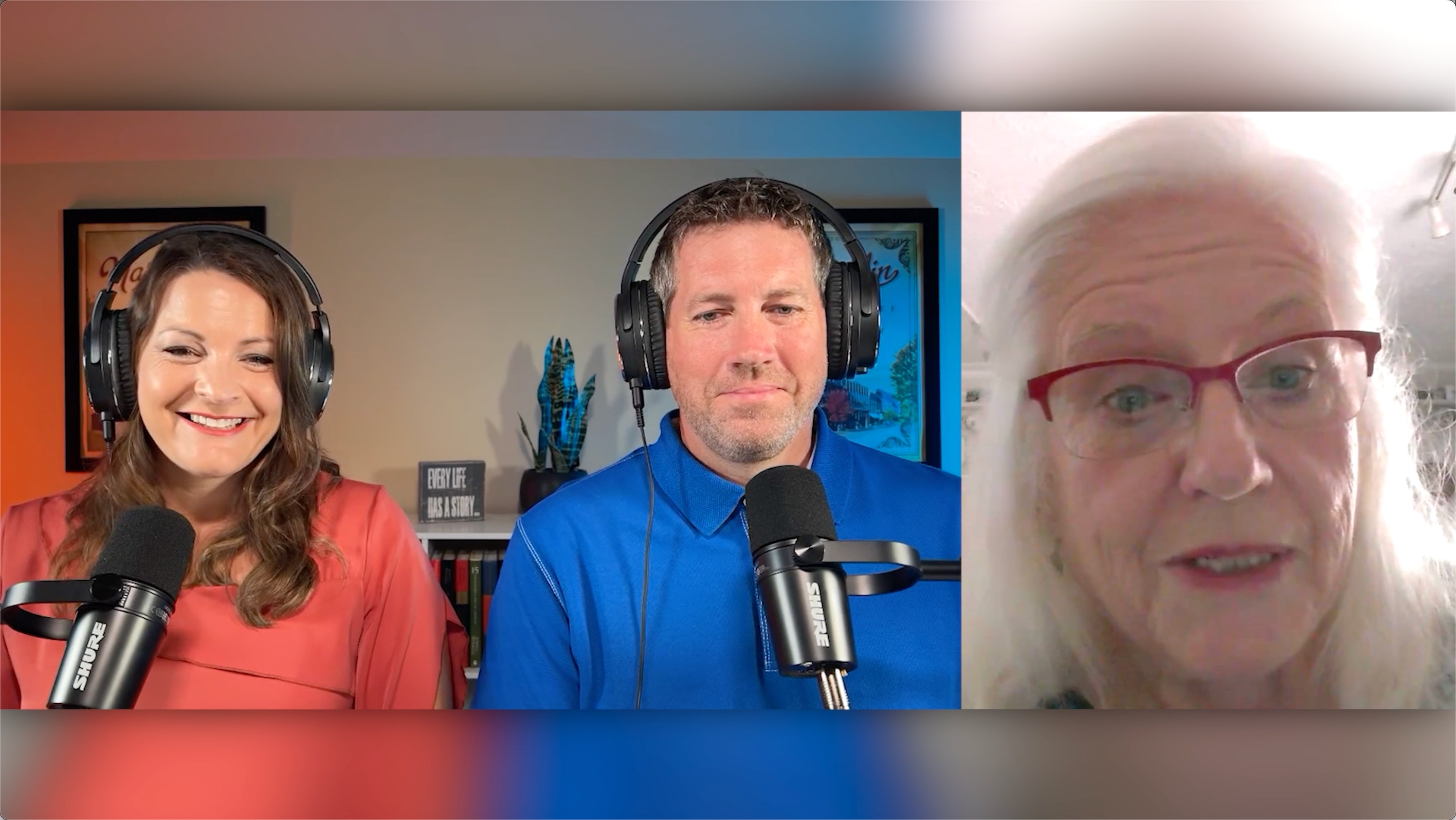
Welcome back to another episode of You Matter Nashville, where we sit down with change makers and people making a big difference in our community. And today is no exception. We've got a very special guest with us. Her name is Tia May, and Tia has an inspiring journey. She has battled with mental health, with multiple different things. She's also an army veteran, but we've heard a little about her story and I just knew that this was going to be a perfect spot for her to even share and
to others like she does because she also helps out with multiple nonprofits that are out there battling things like mental health and the such, PTSD, all those types of things. So all that to say, Tia, thank you so much for taking time and joining us today.
Thank you so much for having me. People like you give me a platform to share my story and hopefully help anybody else that's suffering with the things that I was going through. Other things that could still be benefited from the organizations that I help promote.
Yeah, so why don't you start us off and kind of give us the backstory of your journey and the parts of it that caused you to be where you're at today and how you're advocating for a lot of these things.
Absolutely. I usually start probably about the time I moved to Nashville. I believe it was the middle of 2011. I actually came here to pursue art with my husband who was a musician. So he came here for music. I came here for art. And I was doing really well. I quit my job and started
Speaker 2 (02:39.768)
pursuing art full time. did everything from paintings to body paint for music videos and tons of photo shoots, magazines, stuff like that. it seemed like it was going pretty well. I even transitioned my art into learning how to tattoo, which was a long, long time goal of mine. Ever since I was a teenager, I wanted to do it. So super excited. had a lot of, I had a lot of clients lined up that had been waiting for me to get into that field.
Really? the whole time, pretty much since I was 19, is when I joined the military. It wasn't long after I joined that I started having health problems. I'm not really going to go into detail on how I believe those things came about because I've heard that people's videos will get, you know, banned if I mention it.
But when I first arrived into the military, we went through some processes. And it wasn't long after that that I started having a lot of health issues. So I had been dealing with those health issues throughout this whole journey since I was 19. And sadly, came to kind of came to a head where my hands and my feet became heavily affected. And so I had to find a new path for myself after all the years of doing art. I knew that I just couldn't sustain it anymore.
As you can imagine, that took a pretty hard hit on my mental health because I was really happy doing what I was doing and I felt really lost. I didn't know which direction I should go. I really didn't know I had any major passion out there that I could replace what I had before. So I did. I fell into a pretty dark place between...
dealing with the physical health issues and mental health issues, know, stuff, trauma from childhood, from the military, all that, it kind of all just, it came to a really bad spot. And luckily for me, one of the organizations that I promote now was 22 Zero. I came across their organization through a friend who knew my husband and knew that I was a veteran and that I could.
Speaker 2 (05:00.814)
possibly benefit from the session that they offer. I went through the session about two years ago and it completely changed everything for me. The PTSD that I was dealing with, I mean it affected everything. It affected my sleep. I had never really gotten a lot of good sleep throughout most of my life. The PTSD caused a lot of...
nightmares and hyper vigilance that affected my daily life of going out in public, know, and spending time with my family. I was extremely easily triggered to where I got upset a lot, which as you can imagine, it's kind of hard to be happy and live a fulfilling life when you're stuck in that place. And there's a lot of people that are out there, both veterans and first responders and civilians.
that live with it. And I mean, I was living with it. I mean, I think a lot of people probably didn't even realize that I was dealing with a whole lot. Because when I would go out with my friends or go out and do things, it was, you put on the face of, you know, everything's fine and you don't want to be the downer. So luckily for me, I did go through their session and it changed my entire life. I mean, immediately there was a massive sense of relief.
I did go through a period because I had dealt with it for so long where I was kind of in this kind of slow down state where I didn't, I kind of like stopped everything I was doing and kind of pulled away and took some time for myself, which is hard to do when you're a really passionate person and you like to work and you like to do these things and you almost feel guilty taking some time away, but it is necessary and I think some people could benefit from some of that.
But I've only grown the session. It's not a one-time thing. It actually, it gets better over time as I've seen. I've just, my mindset has slowly gotten better and I can feel it's always, it's continuing to grow. And I think maybe the brain, when it's stuck in a bad place like that, you're not able to get that kind of growth that I've been able to experience. So.
Speaker 2 (07:25.326)
I still, I was still, I got the passion of helping people through talking about these organizations, but there was also, there was still something missing for me. And I feel like with a lot of veterans, we crave kind of like a more adrenaline rich experience in life. And so I started dabbling back into the car scene and got into motorsports about two years ago and
Immediately I knew that that was what I was missing because my mental clarity was through the roof like the days after going to the track and my motivation was through the roof to try to combine these two things to help people because I saw how much it helped me to one, go through the session and address my mental health, but two,
to find something I was super passionate about and a way to connect with people like I once did in the military, because not having that camaraderie that you have with everybody was considered family. And I have definitely seen that at the track. And so I just started saying, guess I could reach out and get some veterans and see if they want to come out and do this with me.
and see what kind of impact it could have. And so I use my car as advertising, I go to all these events and connect with as many veterans and first responders and civilians too, but mostly the veterans and first responders to help them be connected with all of the organizations that I work with.
So I like the car. We're going to talk more about that because your handle's even a crazy car chick, right? Yeah. So we're definitely going to talk more about the racing. But I want to go back just a little bit and talk more about 22.0. You're not affiliated, but you're, I think you're like the mental health ambassador.
Speaker 2 (09:34.976)
Yeah, they actually recently started an ambassador program. And so, you know, obviously I was like, yep, I'm definitely there because that's majority of what I do because I know that mental health is the utmost important thing to me, like of all things, just because without good mental health, without your brain being healthy.
It's almost impossible to live life to the fullest because there's always something wrong, there's something holding you back. And like I said, I've seen the difference going from having a mind that was completely consumed with chaos to having one that is like, know, going into that healthier state. The things that you can accomplish, you know, like your relationships are better.
I mean, people that get into, you get into a dark place and it's like a lot of people almost like close themselves off from everything. They stop talking to people, they stop going out and that right there just causes it to get worse. Cause I know most people when winter comes along, we all get a little bit, you know, a little bit less happy cause we're not doing as much and we're not out in the sun and, you know, enjoying.
Enjoying friendships and face-to-face communication, I think, has been another one too. So many people get stuck on their screens and their relationships. The relationship gets stuck just, hey, I'm talking to people on social media. it's like, go out and meet people face-to-face. Go out and actually do things outside. Because it does. It plays a big role.
COVID didn't help.
Speaker 1 (11:22.734)
Well, what brought you to 22.0? Like what? Did you find it online? Was it a word of mouth thing?
Yes, so my husband's, a good friend of my husband's, him and his wife, I think him and his wife and their whole company that he runs did the session. And then when they saw the results of, you know, how well it worked, they knew that I was a veteran and I was very, I've always been very open about my mental health struggles on social media to try to raise awareness, to try to let people feel like they're not alone.
And to break the stigma that for some reason won't let go because to me, like I think we already discussed that mental health is the same as physical health. It's a part of your body that's broken. It's not working properly. It's, by going to cars, if you have your car and it's it's puttering and it's not wanting to go, you're gonna take it to a mechanic and you're not gonna feel bad about it. Like you're not gonna be like, mean.
I'm not, you know, it's no secret that you have to go fix a broken leg. It's no different. And I'm looking forward to the day where it's treated that way.
Yeah. And I do think that it is being talked about more, thankfully. I think, you know, we are eventually going to break that stigmatism that if you're, you know, you got mental challenges, mental health, it's how your brain is wired. And sometimes it's not your fault. could be, you know, it's just a, it's just how you're wired. But there are ways to help it.
Speaker 1 (13:02.958)
And so I think, and especially with men, because I think it was the study was it was 10 years before a male actually reaches out for help. You know, he was supposed to 10 years prior. And when I read that, that, that just shocked me. I'm like, man, I mean, cause so, cause I think it is, we don't want people to know that we're weak, you know, unquote weak. And you're not, you're not at all, but it's kind of been our upbringing, but it is changing.
Yeah, most definitely. know that I've suffered from anxiety pretty much my whole life. know, when I was young, the doctor told my mom, just get her a puppy, just get her a puppy. She needs something soft and something that... do you have? Two puppies? It's probably about two puppies. honestly, the doctor was like, she needs something soft, something that she can kind of take ownership and that's hers. And I was like, that's actually kind of a neat way to start the process. But my mom didn't...
revealed to me because back then, you know, the doctor would go off by themselves and talk with the parent and they would never address these issues with the child or teen. I did not know I had an anxiety disorder until I'm in my twenties in college and I'm like, I'm struggling. And mom's like, yeah, you've had an anxiety disorder since you were probably sixth grade. I'm like, you know, that's valuable information. It's not like, something that I'm just going to go away or hopefully she won't realize she has it, you know.
So it's.
It's handled, you know, I've done therapy in the past. You know, I have, um, have medication that helps when, if, I, it's overwhelming, um, all the tricks of the trade, I guess the tools, the tools we have in our tool chest. And so many people though, that they don't go to get help with medication or to go to therapy and to get these tools to help them when they do have these things arise. didn't do anything to cause my anxiety. It's.
Speaker 1 (15:01.674)
really genetic. And if you'd like get some of the women in my family, you know, it's a trait that many of us have, but it, but you don't, you don't talk about it. You don't talk about it. We just, you just deal with it. So I love what you're doing that you're going, this is an issue. This is something that we can't openly talk about. because I know, I know when I was teaching, found out, through training, 80 % of educated, like women educators are on antidepressants.
80%. That's crazy. That's the cause of the stress level and just not being able to handle the day to day. We may need counselors on school campuses just for our teachers. mean, honestly, but I haven't heard a single teacher that I'd ever worked with ever mentioned to me that they were struggling and that they were on medication.
Well, and that's why I'm very open about it, not only on social media, but with my children, know, like for a long time. If I ever got overwhelmed, I would kind of like go to my room or go somewhere else to, you know, let go of a lot of that and then go back. And I started thinking about it. I'm like, well, if they don't ever see that this is normal, then they're going to feel bad about when they get to that place.
And so I do now, like if I'm frustrated, I will express what I'm going through with my children because they're like, what's wrong? You you look upset and you know, I'll talk to them about it because they're going to have those same feelings. You know, they're going to get anxious. going to, you know, they're going to get upset. going to be, you know, there may be a time where they get depressed because, you know, they go through things in life and I don't want them to feel like they can't talk about it. you know, because like you said,
the upbringing of the past generations were that men are these rocks that don't have feelings and they should never express these feelings because like you said, that will mean that they're weak. And it's like, no, this is normal stuff. If you don't address it, it gets worse and eventually it causes people sadly to end their own lives. And that is my biggest
Speaker 2 (17:22.094)
fear for anybody that's struggling. And that's why I try so hard to get this information out because I know there's, know, veterans are 80 % more likely to do that. And being able to, you know, for them to hear it from another veteran that I went through the session and it helped me. It wasn't scary. Like in this session, the
the biggest positive that I can express is that you don't actually talk about anything that you went through, which makes it sound like how could that even work? You I was honestly very skeptical when I went to do the session. I was like, there's no way like we're to have a conversation on the phone and poof, everything's going to be fine. You know, whatever. I'll try to have an open, you know, open mind about it. But yes, the session is
100 % effective at reducing symptoms of PTSD. so like I said, the fact that this isn't already in every mental health facility that like, and I think I had spoke with you guys about this, how when you are first going to get diagnosed with some sort of mental health disorder, if you are not
If you're in a heightened state of, you know, fight or flight, PTSD, anxiety, all of that, they're not gonna get a proper diagnosis. They're gonna think that all of these things are going on because of these symptoms. And I saw it with myself. I got diagnosed as bipolar, massive depressive, you know, all these things, and tried multiple medications I should have never taken. They did awful things to my head. And...
once the session was done and the PTSD was decompressed and all of these things, those symptoms were gone. So to me, that should be part of the process is if somebody is having a mental health crisis or mental health disorder, have you decompressed their trauma or like, have you addressed these things that could be causing symptoms that you can't change with medication?
Speaker 2 (19:41.186)
Like you can numb somebody to the point where they're a zombie and yeah, they're not gonna have these problems, but they're not living. You know, I've been there. Like a lot of those medications make you feel like a zombie. You may not be having negative feelings, but you're not really having positive ones either. You're just basically a breathing machine. Yeah, and so by talking about it and getting this information out there, I'm hoping.
through the motion.
Speaker 2 (20:09.908)
at some point it will have a massive impact on the way that mental health is approached. Because to me, I mean, I'm no professional. I'm not a doctor. I have no training. I have done a lot of research because, like I said, I started having issues with my mental health and having to speak with people about it since I was 11 years old. And so it's been something that has affected me and my entire family in a huge way. So I'm constantly trying to find answers because
For one, I wanna feel the best that I can, but two, I wanna help other people dig themselves out of that hole because it's common, it's so common. And I feel like almost everybody I've ever met has been depressed or anxious or just angry for no reason, whatever it may be. All of us have dealt with something and for it to still be like, no, not me, like no. you everybody goes through it, it's a normal thing and.
It just needs to be talked about like that.
And it can happen to anyone. Grief can happen at any time. mean, there's so many things that, know, in different stages of our lives that it can creep up. So, well, I love that. I know we talked before at length about your car and everything about it. know you have it all tricked out. know your videos are amazing. And I know that you've really
done a great job at reaching out to like your military friends and like trying to find an outlet. think that's a good word out there. I kind of, you know, there's something about that adrenaline, you know, it's kind like a roller coaster, you know, having, except for when you're behind the car, you have the power you have. It's like a different level than just like a roller coaster.
Speaker 2 (21:42.958)
Absolutely.
Speaker 2 (21:56.928)
Yeah, it's definitely different being the person in the passenger seat because you have no control. Right. That's why I pay very close attention. watch I watch everybody drive before I get in the car with somebody. You know, am a mother and a wife and I have friends that would miss me. So I do try my best to be as safe as possible.
And of course there's gonna be times where bad things are gonna happen, but from what I've seen, the level that I do of grassroots, it's not like formula drift where they're going, it's insanity. Cars can flip, stuff like that. We're doing, it's so much slower. And I've felt a few bumps. I've hit a wall, we've bumped bumpers with people.
And it's not the greatest feeling, but it's really not awful. So I like to think it's pretty safe, what we do. mean, most of these cars have cages. have racing helmets and all the things.
And this is a separate type club. just want to make sure that everybody understands this is not 22 zero. This is something completely.
yeah, no, this is just track, at the track. And I've put a lot of focus into drifting, but I am open to all forms of motor sports. I am a little worried about like with motorcycles because I have severe arthritis. That's one of the reasons why I got into doing cars was, you know, it's a little bit easier on my hands to just be driving instead of, you know, trying to make things with my hands. But yeah, it's...
Speaker 2 (23:44.908)
Like I said, it's a partnership between there's 22-0, there's the Veterans Trust, they actually help, they host events for veterans and they have a big one coming, they do it every year, where they basically take over part of the military base and have the pro-level drifters.
taking the guys around on the base. They block off part of the base to take them and go drifting for a couple days. I'm really looking forward to that. And then another one too that's really great is it's called Camp Southern Ground. It was prior, I think it was almost a year prior to doing the session.
going to Camp Souther Ground, is a retreat area for veterans. And I think they also do special needs camp, like summer camp. And that place is absolutely amazing. Zach Brown from the Zach Brown Band, he's the curator of it. Top level facility. It's a beautiful, the room that we stayed in was like a five-star hotel. mean, there was a separate towel for your makeup.
It was super fancy.
It was not like you were not camping in tents, I can tell you that. But it actually, I talk a lot about how that week that I went there was for one, was the first time I ever left my family for more than a day. I had been just absorbed with taking care of other people. And so you take a week to go to this facility and they pay for your travel, everything is covered.
Speaker 2 (25:30.976)
You're fed by like a four-star chef. All of the food is super clean and healthy. And it's just a week of learning about your strengths and your weaknesses so that you focus on using those to your advantage and getting that camaraderie again and connecting with veterans. Because to be honest, I don't know, it's because my time in service wasn't that great. You know, I had good moments, but a lot of it was pretty bad.
And so for the longest time, I just cut the whole military stuff out of my life. Like I didn't talk about being a veteran. I never really tried to reach out to any veterans. And that week retreat, it changed everything for me. I was like, wow, this is actually nice, you know, because we have something in common, pretty big thing in common. So I highly recommend that. I feel like that kind of inspired me.
to change directions in my life and to focus on doing good for others and connecting veterans and stuff like that. And seeing that as a nonprofit, it really also inspired me. like you were talking about, people having nonprofits, that's definitely been on my mind for quite some time. And you have to build a team.
to run a nonprofit. If I could do it by myself, I would have already done it. But yeah, so there's the Veterans Trust, there's Camp Southern Ground, there's Track Day for Vets. I'm trying to think. What's that? I should have brought a list with me. But yeah.
There's a lot of options and.
Speaker 2 (27:23.506)
There are a lot of options out there. If you don't hear it from me, if you want to do something, there's always something that you can Google certain retreats. They have all kinds of meetups set up for veterans. So yeah, I definitely recommend if it's something that somebody has cut out of their life to try to go back in the...
reconnect with it because it definitely helped me a lot.
And I know a lot of times cost is a factor. So what would you say to that as far as these events? there a cost involved? Is it kind of paid for? Do you have to have an approval?
Absolutely.
Speaker 2 (28:11.214)
So like you're talking about like going going to the track events
At that or even you mentioned the 22.0 program.
Yep, everything is everything is free for veterans and first responders and they actually have a for profit side for civilians. So if somebody needs, you know, needs help, they can always reach out and get that information as well. I wish I like I wish it was something that like every single person I would recommend doing it once a year, you know, because every year you go through things that might affect you.
And I think a lot of us try to think that things don't affect us. We're like, just gonna move forward. it's in the past. But that stuff, when it's not addressed, it can affect you even in the slightest way. So I definitely recommend anybody that's struggling to reach out, whether it be for the services that I've talked about or to, was it 988, I believe is the crisis hotline.
to tell a friend, know, I feel like most people have a friend that they feel they can trust. it just, just, just tell somebody, don't be plotted about it.
Speaker 1 (29:28.108)
Yeah, I bottle it up. You had mentioned, you know, that time of separation. I think that's so important, you know, that whenever you leave a stressful situation, just kind of making that separation from that for a while. Like you said, you found that connection later on and knew you needed it, but still you need that. Not even comparing, but what I love teaching, was like, I do not want to step into a high school building for the next five years. You know, it's but it.
I'm
Speaker 1 (29:54.208)
Yeah, it's so important to almost like cleanse your mind and to settle your spirit. And then you can start opening up and talking and getting help.
It's so hard when you're somebody like me that wants to help people and like you always, like I always put other people first. Like I just want to make sure everybody's taken care of. And I think the hardest part of something like that is to tell yourself that you deserve that time and it's worth whatever it takes to make it happen. You know, like I was...
I was lucky enough to have a support system so that my kids were taken care of, you know, while I was gone. But there are services out there, like, don't, you know, I just want to tell people, like, don't let, you know, this is going to be a little difficult to make this work. Don't let that keep you from doing it because it, like I said, it was life changing for me. I mean, just one week away was enough for me to completely change my mindset and kind of change directions.
have a more positive outlook and not be afraid of my past, like with the military stuff. didn't want to talk about it with anybody and now I talk about it with everybody. I'm helping all these people because I took that time to work on myself. And for some people, it may be longer. There are programs, intensive programs that are minimum 30 days.
No matter what it takes to do what you need to do for yourself, you just got to make it happen. Do whatever it takes because it's definitely worth it.
Speaker 1 (31:36.79)
love that you kind of grouped like the paramedics EMTs kind of like with the military. I don't think people realize that it's like a four to five year average for people to work in that field because it is just so stressful, just the day in, day out, the continuous trauma every single day. So of course they can't get veteran services, they can't get any kind of help. So to see these different organizations that are recognizing that and are allowing them to kind of
do the same services, that's amazing.
Absolutely. I have known a few people that were both firefighters, police officers, EMTs, stuff like that. I've heard some of the stories and I can't like just hearing the story had an effect on me. Like I cannot imagine seeing that stuff day in and day out and then coming home and just trying to live, you know, a normal life.
So these services are definitely life-changing for people that have those kind of jobs. Those jobs, like fire? You want me to jump in a fire? No, I'm good. It takes a special kind of to put themselves out there, especially now with like you hear all these horror stories about a police officer just stopping somebody on the side of the road and having to worry that this person is going to try to harm them. I couldn't even imagine,
I guess I went through it a little bit when I was in the military knowing that at any time we could be put into a firing situation. It puts your brain in a place that, like I said, it makes it hard to relax. You tend to have to cut off your feelings because if you don't, they'll take over.
Speaker 1 (33:32.748)
Yeah. you know, talking about it definitely helps you as the, you know, it helps nourish your soul. And, but I think that's one of the things is that, that causes so much depression is because people don't talk about it. Probably the hardest thing to do is picking up that phone. Once you do it, you have, there are people there that want to help, but
Absolutely.
Speaker 1 (34:00.578)
just picking it up and thinking that somebody that you don't even know actually is going to care about that. That's so hard to do. They're calling, you know, we all have that friend that you feel comfortable and have confidence in. So, but I'm 100 % an advocate for counseling and finding out the type of counseling that you need. Cause there are so many different types of counseling. People may not understand, there, there is certain things for PTSD and depression and anxiety.
So, know, in any kind of addiction to past experiences. So yeah, do your research, do your homework, find out what's best for you.
For sure. Absolutely, because I went through all kinds of counseling. I went through all kinds of medications. I got to that point where I started to wonder, am I just too far broken? Nothing seems to work, but there's so many different options. Again, that's why I like to talk about what I went through, because it is an alternative style. It's newer.
and a lot of people don't know about it. And there's that hesitancy of, I've never heard of this, know, whatever. It was so simple. It was so simple. And I just hope that anybody that needs that kind of help can reach out. There are veterans out there. A lot of these organizations are run by veterans. So these people that you're talking to, they understand.
what you've been through at least a little bit.
Speaker 1 (35:41.644)
And the website, just so that people know it is 22ZERO.org. 22ZERO.org. And do you know what 22ZERO means?
Well, a lot of the veteran stuff rallies around 22, because I know at one point it was 22 veterans a day that would take their life. That's heavy. Yeah. So 22, and I've got the number 22 on my car, and a lot of organizations use that as kind of an awareness number.
Mm hmm. And I get it. So 22 to zero.
Which would be nice, right?
man. Yeah. so definitely check out that website and, and there's real easy, the big red button right here, get healed.
Speaker 2 (36:37.89)
Yes, and they are extremely quick at getting back in touch with people. I know with a lot of the services that I have tried to reach out to, especially with the VA, I ran into either hurdles or they would take forever to get back to me or get to get me an appointment. And 22.0, they got back to me right away. I think they scheduled my session within like two or three days. wow. That's amazing.
Most of the places I have ever contacted, either on the civilian side or on the veteran side, three to six weeks is quick. And that's sad because if you're in a mental health crisis, three to six weeks is a lifetime. You're not even thinking about surviving that long. So the fact that they get back to you in days and knowing that you've already gotten, they get in touch with you usually within 24 hours.
just knowing that they're so quick to react, it makes you feel like you're cared for. hopefully this message will reach a couple people that will find that they can reach out to. And I love hearing people's success stories. I tell people all the time, when I'm connecting people with this service, please keep in touch with me and let me know how it goes because it's...
never not been a positive reaction. You know, I've heard so many great stories and it gives me, it just gives me pure joy to know that somebody went from being in a really bad place to now on the route to being in a much better place.
Agreed. Agreed. Just, yeah, I mean, it lifts you up when you see other people being healed, you know.
Speaker 2 (38:30.538)
Absolutely, absolutely. mean, I can see why people want to be heroes, know, the first responders, because I can only imagine what it feels like to pull somebody out of the fire. I guess that's kind of my feeling I get from this is I am either pulling somebody up from drowning or, you know, burning up in a fire because that's what it feels like.
Yeah. You know, I, um, I have, uh, I had a bad wreck a long time ago, but the, the, the interesting thing I was actually on track, my path was to get into law enforcement, uh, you know, out of high school and, uh, without diving into all of it, I ended up having a very bad wreck and it was the paramedics. mean, they literally saved my life and I don't think we appreciate what they do.
enough. You know, surely in passing, we think about it, but they just, they go through it, you know, every single day and have to deal with, you know, people that do die. I can't understand, I can't fathom, and I appreciate the people that are able to do it, but I can't fathom of having that every single day weighing on my mind and on my shoulders.
you know, God bless everybody that, you know, like yourself that serve in the army, you know, in the Navy, all the armed forces. My dad was in the Air Force. And so, you we have a deep appreciation for them. But along with all of that does come with some mental struggles.
Absolutely. We're all human. We are not, like I said, we're not rocks. We have feelings and traumatic situations have a heavy impact on the brain to the point where many studies consider it to be brain damage. Really? Yes, because it does alter the brain.
Speaker 2 (40:28.814)
And it can alter the brain into almost an unusable state. I mean, you see people all the time going into psychosis because they went through something that was too traumatic and the brain basically just shuts itself off because it doesn't want to feel any more pain. So yeah, it's very real. And so somebody who has gone through a lot of traumatic situations such as myself from the time of being very young when the brain is being...
being built. Because your brain is continuing to be built for, I think it's women are 21 years and men are 25 years. It's when the brain is actually done forming. But the first 10 years actually kind of depicts how your brain is going to work. The first 10 years is extremely crucial. So anybody that goes through childhood trauma will essentially be affected for the rest of their life. can be...
It can be worked on, but it is a huge hurdle. It's almost like you turn into an adult, but your brain is not actually there. And then you're stuck having to deal with adult things with almost a childlike mentality. And it's crazy. It's very fascinating to me. I could talk about the brain all day long. I research it all the time. It is...
They say one of the most malleable things you could think of as far as like almost like clay. And so I just hope that somebody that's in the place where I was, where I felt like my brain was just too far damaged. That's not true. I mean, there's people that have come back from situations where they shouldn't have ever been able to speak again and they go on to live completely normal lives. So I don't want anybody to think that.
their brain can't be fixed because in most cases it can definitely get better.
Speaker 1 (42:27.726)
So how can people connect with you? if they're wanting to, kind of like, if they're into cars and doing drifting or whatever, any kind of motor sport, how can they connect with you to kind of help to maybe come alongside you with this whole veteran effort? I know there has to be more people out there like you that's like, what can I do?
That's why I'm out here. I am trying to put it out there. If you are a veteran or first responder and you are looking to maybe dabble in the world of motorsports or you're a huge, huge enthusiast and just don't really know where to start, it's crazy car chick. Chick is spelled C-H-I-K. Crazy car chick on any platform.
Facebook, TikTok, YouTube. Yeah, reach out to me please. If you have a friend, if you have a grandma, it doesn't matter. Bring them out. I love introducing people to the drivers and I do a lot of interviews with people if it's their first time getting into a drift car. I love seeing the reactions. I've got a few new ones where they're pretty nervous at the beginning and then they get out and they're just so excited.
And I mean, you can- to try it out. Yes! Hey!
I was waiting to say me first. Too late.
Speaker 2 (43:54.27)
So at the next event, you guys are to have to come out and do like a little mini episode out at the track. So you can experience firsthand what it is that that amount of adrenaline does. It's definitely, I wish I could do it every day. I honestly do. It's just, it gives me about three or four days of feeling absolutely amazing that I'm like, okay.
Where's the track? need to get to that.
See we didn't have tracks growing up. So we we we did something in the in the south called muddin
Absolutely, I love Mudden.
I love So that's how we grew up. There was no truck. There was just mud. so where do you. riding. Yeah. So where do you guys normally like go and do your thing here in Middleton?
Speaker 2 (44:46.894)
The majority of the stuff I've done as of now has been up at the Clarksville Speedway, the Nashville Super Speedway in Lebanon. is, let's see, Driven Luck is down in Alabama. It's a smaller private track run by veterans. The vibe down there is amazing. So I try to get down there for their veterans event every year and do that one.
And then another one is called Mid Pond. It's also in Alabama. It's little bit bigger track and it's a little bit more advanced. It's a very windy, narrow track that I'm definitely not ready for yet, but I look forward to when I am. But yeah, and then I try to get out to Colorado.
I didn't get out there this year, but I went last year. Colorado is amazing. You go drifting on a frozen lake. They create a small track and a larger track. Small track is for you to kind of get your feeling of what you're doing. And then once you are comfortable there, you can go out on the big track with the guys that really know what they're doing and try not to mess up too bad.
It's like mega drifting, right? I don't know if I could do it on a lake.
Let's go. We're going to take the show out to Colorado.
Speaker 1 (46:10.446)
No, I am in search for my midlife crisis. Better start saving that money. This is not a cheap thing. These tires for these cars are very expensive.
All I think about is starting our own tire company. Definitely one of the largest expenses in this sport is tires. Trying to land a tire sponsor is definitely at the top of my list. If tires were paid for, especially in drifting, in autocross and road course, it's not as bad because you're gripping the track, you're not spinning your tires.
Yes.
Speaker 2 (46:51.596)
But either way, tires are a huge expense. if anything, as far as donors are concerned, if I could just have a warehouse full of tires, that would be a huge relief.
Right. Well, we know what to get her for Christmas.
Yeah, there you go.
Well, Tia, this has been an absolute pleasure. Yes, really has. And this is a lot of a lot of fun things. So yes, please, please, check out her profiles. Crazy car chick with a K C H I K crazy car chick. And yeah, you got some videos on YouTube.
Yeah, there's a I really definitely need to pick up my YouTube game. I have gotten kind of into more like Instagram and TikTok. Yeah. TikTok, think, has the most videos, although I am struggling. They're they're they've been flagging my videos for dangerous activities. I'm like, there's so many videos of people driving like crazy. I don't know what the problem is, but.
Speaker 2 (47:57.102)
I'm doing my best. I may have to take it over to YouTube so that that because YouTube they don't they don't care. No care I've been struggling with that. I'm like, this is what I do I do driving stuff and they won't let me post my driving video So but there is a lot there's a lot on tik-tok and like I said, I'm gonna try really hard to To get a lot of stuff over to YouTube because I know there's a lot of people over there. So
Well, thank you again. you know, it's, I know you've had a long journey. We didn't even touch the top of that. What, of what you've had to deal with. First and foremost, I mean, thank you for your service. Yes. And it is very much needed. And it's people like you, you know, we're talking about special people. mean, special people like yourself that that raised their hand and say, you know, I'll go.
So thank you for that and everybody listening that our veterans are in the service. Thank you. And even outside of that, our first responders, we realize there's a lot that doesn't get talked about and it's easy to see bad things on TV and everybody gets upset and hate, but there's a lot of good people. There's a lot of people. And so we love you. We love.
what you're doing. I love that you're taking the torch and you're saying, follow me. Hey, there's a better life. I've been there. I understand. We may have different stories, but I can show you how to live once again.
Absolutely. No matter what's going on, you can always find a way to, I say, to live your best life. There was a lot of things that I can no longer do because of my body. So I focus on the things I can. And driving is one of them and I enjoy it a lot.
Speaker 1 (49:53.428)
All right, well, thank you, Tia. Thank you everybody that's listening. I appreciate you tuning in. Please check out Tia on her social profiles and take some looks at the videos. But also if this has touched a chord or maybe you're thinking, well, this may be me, please, please, please don't hesitate. Pick up the phone. I know it's hard to do. I know we've had friends and even family that have struggled. So it's not easy.
but it's doable. And there's a lot of people out there that love you, may not even know you yet, but you are loved. And we thank you for tuning in. And just remember that you do matter. Your voice matters, your life matters, and together we can all build a better community. And that brings us to the end of another episode of You Matter Nashville. We hope today's show has left you feeling as uplifted and inspired as we are.
Remember, the spirit of Nashville lives in all of us and every small act of kindness echoes throughout the community. A huge thank you for listening and even being a part of our You Matter community. If you love this episode, please share with friends and leave us a five-star review. It helps us reach more listeners and spread the love. And if you know anyone that is looking to make a move to Middle Tennessee area, we are real estate professionals known as the Hoover Team, and we would be honored to serve them with excellence. Until next time, keep making a difference Nashville. You matter more than you know.