Buddy Teaster's Soles4Souls: Donated Shoes as Opportunity
Soles4Souls is a Nashville-headquartered social enterprise, founded in 2006, that turns donated shoes and clothing into opportunity and relief across more than 130 countries. It provides items to micro-entrepreneurs who resell them to earn income, and provides direct relief in crises. Led by president and CEO Buddy Teaster since 2012, it aims for one billion dollars in global economic impact by 2030. Learn more or give at soles4souls.org.
Listen to the episode
Jump to a moment
- 00:00, Welcome to You Matter Nashville
- 01:07, Introducing Souls for Souls and Its Mission
- 02:52, Creating Opportunities Through Shoes and Clothing
- 04:41, The Impact of Shoes on Self-Confidence
- 06:52, For Every Kid: Helping Kids Experiencing Homelessness
- 09:41, The Importance of Donations and Partnerships
- 12:36, Working with Retailers for Shoe Donations
- 15:12, Criteria for Accepting Donations
- 18:08, Buddy's Journey to Souls for Souls
- 22:10, Lessons Learned and Books Written
- 25:46, Building a Strong Organizational Culture
- 30:18, Challenges in the Nonprofit Sector
- 32:14, Navigating Challenges in Non-Profit Management
- 34:35, Adapting to Change: The Impact of 2020
- 37:16, Innovative Solutions for Sustainability
- 39:07, Global Expansion and Future Challenges
- 41:48, The Importance of Community Engagement
- 47:53, Annual Fundraising Events and Strategies
- 51:35, Advice for Non-Profit Leaders
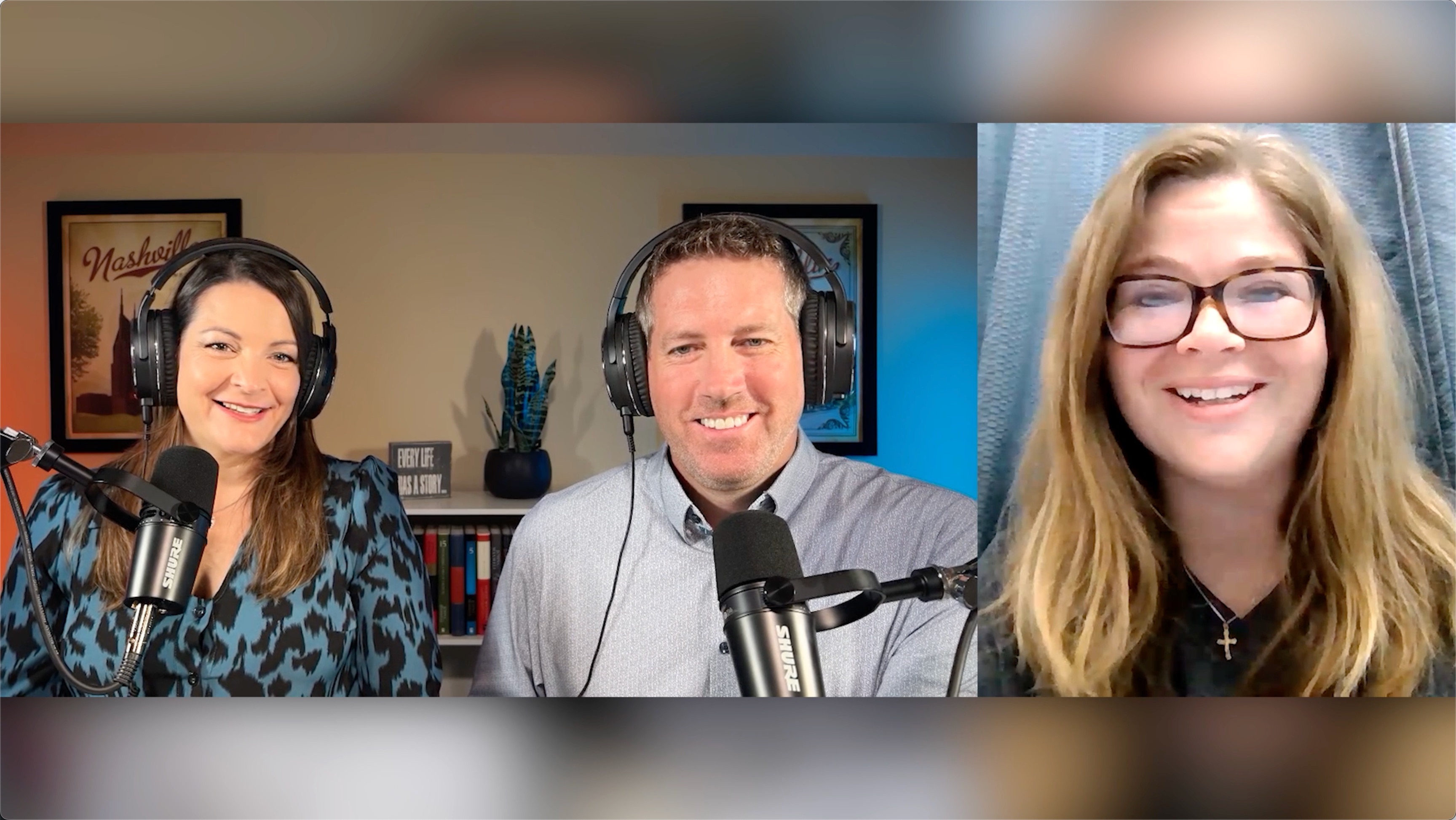
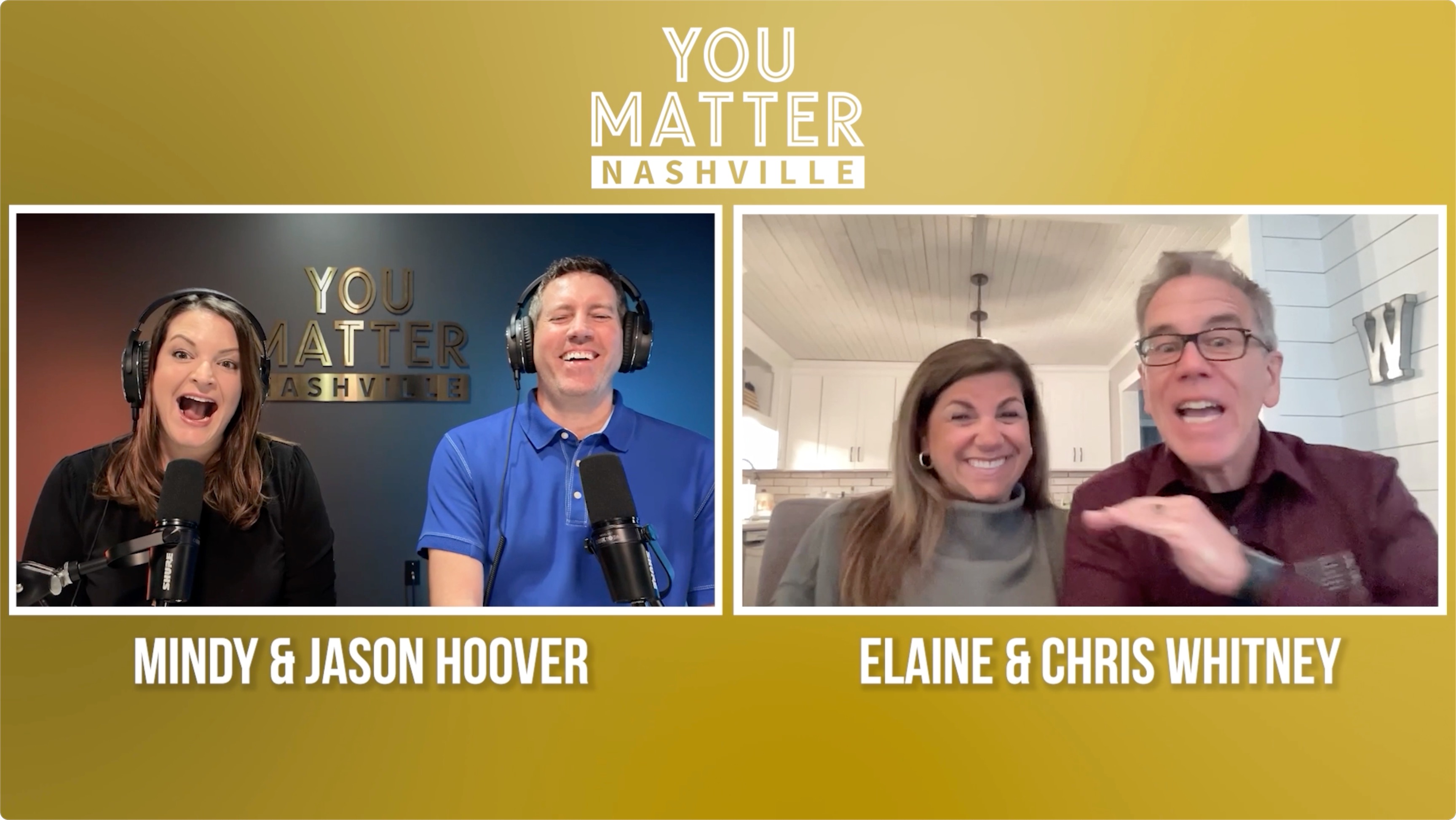
What can a pair of shoes do? In the right hands, it can start a business, send a child to school, and change a family's future. On this episode of You Matter Nashville, Jason and Mindy Hoover sit down with Buddy Teaster, president and CEO of Soles4Souls.
What makes Soles4Souls different from a clothing drive?
Soles4Souls isn't a clothing drive. It's a Nashville-headquartered social enterprise, founded in 2006, that turns donated shoes and clothing into opportunity and relief around the world, keeping usable items out of landfills and putting them to work fighting poverty.
Buddy is quick to reframe what the organization is really about. It isn't shoes; it's opportunity. Shoes and clothes are just the tools.
How does a donated pair of shoes become income?
Each year Soles4Souls collects millions of pairs of shoes and millions of pieces of apparel. With the donor's permission, much of it is provided to micro-entrepreneurs in low-income countries, who resell the items to earn an income and build small businesses.
That income does what aid alone often can't: it lets parents send their kids to school and take charge of their own futures. Alongside that model, Soles4Souls also provides direct relief to people in crisis.
Who is Buddy Teaster?
Buddy Teaster has led Soles4Souls as president and CEO since 2012. Under his leadership, the organization has distributed tens of millions of shoes and clothing items and generated hundreds of millions of dollars in economic impact.
He's set an audacious goal: reaching one billion dollars in global economic impact by 2030, a number that translates into countless families lifted toward stability.
Why does this model work?
Handing someone a product meets a need for a day. Handing them a way to earn meets it for a lifetime. By pairing generosity with entrepreneurship, Soles4Souls turns a closet clean-out here into dignity and income somewhere else.
It's a rare kind of giving that keeps multiplying, reaching more than 130 countries and putting opportunity, not just charity, into people's hands.
What difference has it made?
Over the years, Soles4Souls has distributed tens of millions of shoes and clothing items and generated hundreds of millions of dollars in economic impact, all from goods that might otherwise have been thrown away.
Behind those numbers are micro-entrepreneurs building businesses, parents affording school for their kids, and families stepping toward stability. It's proof that a simple donation, routed through the right model, can ripple out into real, lasting opportunity.
How can you help?
You can donate gently used shoes and clothing, organize a collection drive at your school, church, or business, or give financially to fuel the mission. Every pair helps create opportunity for someone, somewhere.
Buddy turned a simple idea into a global engine of opportunity from right here in Nashville. That's the kind of big-hearted, practical good this community is proud to spotlight.
Episode Resources
- Official site: soles4souls.org
- Donate or host a drive: soles4souls.org
Ways to Help
Support Soles4Souls by donating gently used shoes and clothing, organizing a collection drive at your school, church, or business, or giving financially to fuel the mission.
Guest Information
Buddy Teaster
Buddy Teaster is the president and CEO of Soles4Souls, the Nashville-headquartered social enterprise that turns donated shoes and clothing into opportunity and relief around the world. He has led the organization since 2012, reframing its mission around opportunity rather than product. Under his leadership, Soles4Souls has distributed tens of millions of shoes and clothing items, generated hundreds of millions in economic impact, and set a goal of one billion dollars in global economic impact by 2030, reaching more than 130 countries.
About the Organization
Soles4Souls
Soles4Souls is a Nashville-headquartered social enterprise, founded in 2006, that turns donated shoes and clothing into opportunity and relief around the world. It collects millions of pairs of shoes and pieces of apparel each year, keeping usable goods out of landfills. With donor permission, much of what it collects goes to micro-entrepreneurs in low-income countries who resell the items to earn income and build small businesses, while the organization also provides direct relief in crises. It serves more than 130 countries. Its official site is soles4souls.org.
Visit the organization websiteKnow Someone Making a Difference?
Nominate a Middle Tennessee changemaker for a future You Matter Nashville episode.
Nominate a GuestSoles4Souls, soles4souls.org (official site, verified 2026-08-08). Episode interview with president and CEO Buddy Teaster, You Matter Nashville. Impact figures and goals are as stated in the episode and may change; see soles4souls.org for current numbers.
Full transcript
Read
Speaker 2 (00:00.11)
Welcome to You Matter Nashville, where we celebrate the people and stories that make our community so special. We believe that everyone has a story to tell, and more importantly, everyone here matters.
We're your host, Jason and Mindy Hoover, and we're passionate about shining a light on individuals who are making a real impact right here in Middle Tennessee. This is about community, connection, and the incredible people who are making a difference.
Let's dive in as we uncover powerful stories and meet remarkable people whose journeys will inspire us all, right here on You Matter Nashville.
Speaker 2 (00:37.538)
Welcome back to You Matter Nashville. I'm Jason Hoover alongside my absolutely beautiful wife, Mindy. And today we are honored to have on the show with us Buddy Teeester. He is the president and CEO of Souls for Souls. Buddy leads what is arguably the most impactful social enterprise in footwear and apparel. Not just delivering shoes and clothing, but creating jobs and entrepreneurship across more than 130 countries. Under Buddy's leadership since 2012,
Souls for Souls has helped distribute tens of millions of shoes and clothing items, generating hundreds of millions in economic impact and setting a bold goal of reaching one billion, that's a B, one billion in global economic impact by 2030. Welcome, buddy, we're thrilled to have you here.
Jason Mindy, thanks for having me. It's real pleasure. Buddy, so good to have you join us. For those of you who may not be familiar, can you give us like an overview of why Soulful Souls is all about? Sure. You know, I used to start with the kind of what we did, and now I start with the why. And you touched on it, Jason. We are all about creating opportunity for people. We use shoes and clothes to do that, but that's at the core. How do we think about creating opportunity for entrepreneurs and kids to go to school and
parents to be able to send their kids to school. So that's the why that we do this create the opportunity. How we do it is we collect new and used shoes and clothes. So this year we'll collect about five and a half million pairs of shoes, new and used, and about four and a half million pieces of apparel. And then we do two things with that really. So all the used shoes and clothes we collect and new, if we have permission from the donor, we sell to people in low income countries and they resell that as a way to create.
It be a job, it could be a small business, but an income. And then they could use that money to do the things that are important for them. Like I said, it could be sending your kid to school, it could be food, it could be housing. Those are the top three usually. But we give people lot of freedom to make those decisions. Like we don't tell them how to spend the money or how to run their business. We try to help them be better business people when we can. And we also learn a lot from them. And then we also, and it's really how Soul for Soul started was,
Speaker 1 (02:52.878)
provide new shoes and clothes to people in need right now. So it could be after a natural or a man-made disaster, or it could just be help. It could be a shelter, a women's shelter, or homeless shelter. It could be kids in school in East Tennessee who just need some help. And so those are always new shoes and clothes. So that's the kind of the why and a little bit of the how that we get that done.
Yeah, I that because you're not only helping people locally, it's also you're stretching out and helping those globally as well. I definitely love and simple things like shoes and clothing. mean, that's a that's that's a big impact, especially with your self-confidence. Yeah. Let's not just talk about health wise, but your self-confidence goes along with especially for kids.
Yeah, when a lot of times kids look at each other's shoes before they look at the other person's face. I mean, it's, I was a teacher for many years and it's sad, but it's true. They're like, Oh, look at my new shoes or, you know, it just, there's so much confidence that happens when they have a nice bright white period to the shoes, you know? And so, but yeah, they do, they talk about their shoes. That's like a talking point for a lot of kids. You know, Mindy, it's a hundred percent true. And the thing
I've been at social social since 2012 that I continue to learn and relearn and be amazed by. That doesn't matter if you are in Brentwood, Tennessee or Haiti or Honduras, that feeling of. I feel good about myself because I have shoes that fit or new shoes or new to me shoes. It blows me away. We were at a school in Honduras this past Friday in Honduras. There's a community called.
the Garifunas, they are mostly escaped slaves from Africa who wound up in different parts of Central America, but in Honduras. On language, culture, all these things, and they have been marginalized for a long time. So we go to this school, it's about 250 kids that we were able to serve. And it's the exact same thing as when we do a shoe distribution here and they get new Nikes, right? These were not new Nikes, right? They were black.
Speaker 1 (05:10.092)
rubber shoes that were super functional for them. And it's the same energy, it's the same confidence. And that's one of the things I love about this Souls for Souls work is shoes can cut through all that, can cut through language, class, status. It's amazing to see how much it matters. And the same with clothes.
Yeah. Yeah, I know, Mindy had a great opportunity to do some shopping with some kids here just last week.
Yeah, with some people with Frank town and Franklin and just, you you just take for granted, you know, you take your kids to the mall or wherever else or with my kids, we go online because they both hate shopping.
I started them in a Goodwill clothes.
Yeah, not Not ashamed. I was a teacher salary for many years. So my kids got to know the thrift stores very well. Now it's cool, they were there. were of the curve. But you know, it's, you know, it's just so exciting, you know, for them to be able to go and get new things for school and everything. and I was joking around us like, you know, I can go and go shopping with the Frank town kids because my own kids don't like going to shop with me.
Speaker 2 (06:04.545)
Now it's cool.
Speaker 1 (06:23.95)
But I love it. They were so excited and so respectful and so appreciative of getting a new pair of shoes. We had a list of things we had to go get, you know, and the first thing was new pair of shoes. They were like, let's go because they want to make sure they had the right pair of shoes before they picked out. So we have this program that we started in the U.S. in 2020. So we're coming up on our fifth anniversary called For Every Kid and we provide new branded
sneakers to kids experiencing homelessness, mostly through public schools. Wow. And it's an amazing program. I'm super proud of how we got there, how we do it, who we work with. It's great. And we have a Souls for Souls Canada organization and they wanted to participate, but the structure is super different. School systems are different. How they identify kids who are experiencing homelessness is different. So we're kind of stuck. We have a great partner there and in the U.S. in DSW, the footwear store.
And they said, hey, instead of like, cause we could not go into schools, which we do a lot here. That's how the shoes get distributed. Why don't we bring kids to the store? So we worked with a lot of boys and girls clubs in Toronto and now across the country. So they might bring 30 or 40 kids in an evening and the kids get to shop. So just like you experienced, like it wasn't like, it wasn't that here's what you get. I'm going to give you the thing. They say, they say,
You got an hour here, an hour and a half, pick what you want. And so there's the joy of getting the shoes. Like when you walk out, you're pretty happy, but this feeling of having some choice, feeling kind of like a, I'll put in quotes, a normal kid doing that. That matters almost as much as the new shoes. All that experience together, as you said, is about confidence and feeling like you belong. And that's a big deal.
I don't know if Jason had shared, I have a nonprofit for prom dresses and making sure that all girls in our area get a prom dress. But shoes is a huge thing that I have to search for every year because they may get a dress, but if they don't have shoes to go with it, that's really hard. And a lot times that expense is a hundred dollars. You know, for a pair You're going to wear them one time, And one time.
Speaker 1 (08:43.342)
And so we always encourage like the women's groups and everything, you know, like all these balls that you go to and you're never wearing those shoes again. You know, don't forget to donate those too, because they practically are new, even if they've been in a lot of times women will buy those shoes and they'll never wear them full intentions for sure. wear them. It blows my mind how many shoes and boxes with tags that I get. Yeah. And I think a lot of people just take that for granted and just have shoes.
in their closets just stacking up and I'm sorry women are the worst about it. We see beautiful shoes on sale and we get them and then we never buy the outfit to go with it because sometimes the shoes are the first thought. do the math. The U.S. about two billion pairs of shoes a year. There are 350 million people here. Oh my goodness. There's no way that we including like I know better. Right. This is how I make my living. This is the job that I have that I love more than anything I've ever done. I walk in my closet and think
What's wrong with you? You know better. So yeah, on one hand it's a crazy embarrassment of riches. as people, my experience also, if you make it easy for them, like you do saying, drop them off here, I'm gonna use them with these girls, people wanna do the right thing. They do. You just have to make it easy. having those drop off points, which is a good way to segue into where
Or how do you distribute or get donations from people? Do you have set up points? Do you have donation drives? How do you work? It's a little bit of everything. Mindy, we will sort of do whatever we have to to get in shoes because that's what fuels our work. mean, we raise money. That's part of what we do. But the real energy in our programming comes from donations of shoes and clothes. So the used shoes come from the public, just like you were saying, people going into their closets and
We do donation drives, so it might be one of your kids collecting at school, doing something at church, doing something at your office. And people collect anywhere from a few pairs to we have people who collect 25,000 pairs. they are committed to that number. Then we have partnerships like Zappos, who they're amazing and they will pay for the shipping. So we have people who want to donate shoes and there's no.
Speaker 1 (11:08.96)
easy place to drop them off. You can go to Zappos for good, print out a label, take it to UPS and Zappos pays for the shipping. We get hundreds of thousands of pairs a year and pieces of clothing through that. And then our biggest partnership is probably DSW. So they have 500 stores here in the U.S. maybe a hundred, something like that. Maybe not quite that in Canada. And every store has a drop-off box. So each month DSW customers are donating somewhere between a hundred and 125,000 pairs.
That's amazing.
Wow. So it does come down to convenience. As I said, that's when we started this part and we also do it with famous footwear. They're now collecting tens of thousands of pairs a month. That is growing. People know that they can put these shoes to work, that there's a lot of life left in them. And if they can go in, they're going to shop, they're already doing something else. It's easy to do. And the other thing, it's an important part of Souls for Souls, how do we think like a business partner? Not just when it's not
only a not-for-profit. So what we know is it helps drive traffic. You're like, I'm going to drop these off and while I'm in, I will buy another pair or buy some shoelaces or, it's a way to generate traffic. And for lot of retailers, that's the game. It's super hard. Your daughter's kids are going online to shop. Well, DSW wants you to come in the store. Famous footwitchers, come in the store. And so this is a very tangible physical way to say, come in.
Drop them off, you can do that thing that you wanna do with these shoes, and then why don't you shop while you're here. That's really cool, that's a really neat partnership. Are there any other retailers or brand shoes that bless you guys? I like to shop with people that like to bless others. So we, the good news Mindy is we work with almost every footwear brand out there.
Speaker 2 (12:41.208)
Sure, makes sense.
Speaker 1 (13:00.84)
So all the athletic brands that you know about. the good news is you don't have to change your behavior. Odds are that we work with them and including also the brands that we all know are the athletic brands, right? Nike, Adidas, Hoka, New Balance, Under Armour, Nike, name it. We work with all of them. Reebok, Puma, amazing companies. And then
Thunder.
Speaker 1 (13:29.41)
We also work with boot brands and women's fashion and men's and like the thing that souls for souls allows us, there's a place for all of that. You know, there are some organizations that only do sneakers or whatever. Sneakers are the most valuable. Everybody wants those. So if you're thinking about it from a business perspective, that's probably what you're chasing. But for us, we're like, as long as this does not ripped or torn or unwareable, don't they did somebody.
might not be you or me, would see value in that. Like, you know, right now I'm barefoot or I'm wearing a flip-flop, and if I get this kind of shoe and I can wear it one day a week, I'm better off than I was, right? And some of this stuff, as you said, Mindy, comes, even though it's used, it's brand new in a box with a tag. so...
It all can be used. And I think that's a, it's a message that we have our job at solar solar is to get that out more. So people know that. And this year I said, we'll collect five and a half million Paris issues. Our biggest distribution center is in Alabama. So most of the stuff comes through there. Only 2 % of what we get there is unusable. So when you think about what that means, it's a pretty small percentage. And even that we are, send to a waste to energy facility. So it gets, it doesn't go into the landfill.
And, you know, people are like, who would wear this? Well, you're in the position of saying, I don't have to, but there are a lot of people who would find that really valuable. And so that's another thing that I think people's heart is in the right place. But once they understand a little bit how broad the range of use is, they're like, great. And I'll put it in the box.
Sure. So what would be the criteria of, and it may be hard to say, of what would not be accepted? And what I'm getting at is like, you know, our son plays baseball. Y'all wouldn't accept cleats, would you? Oh, really?
Speaker 1 (15:27.769)
100%. Oh, we work in the Dominican Republic. Wow. People are dying for baseball. It's the only thing that's really hard. Football cleats are only in America. Nobody else plays American football. That's true. Right. So those are really hard. Okay. But soccer cleats, baseball cleats. Absolutely. We can use all those. So this is a, so that would be put them in the box, the box at a DSW or a famous footwear. But even things like this is a little harder for us and we've
found some answers. I mentioned that we do footwear collection in Canada. Well, a lot more boots and winter stuff. But when you think about, for us, it's also, there's a lot of places that we work are hot. Haiti, Honduras, Guatemala, Dominican Republic, Belize, they don't want any winter boots. But we have a partner in Eastern Europe who can take a lot of that. And then we made a conscious decision to expand our partnerships to Chile.
where they can also use winter gear.
Everything can be used. Everything can be used. What about like work boots? Cause I know things like, you know, you, a lot of guys have to have still-toed boots and those are expensive, but you have to have them for your job. So many actually you touch on something, maybe not directly, but it's really important. So a lot of companies who may say a couple of things, whenever we give things away for free to people in need, that's always new product and things that are used. That's what we sell. So there's a market for work boots.
in every part of the world, right? Everybody's doing construction or, agriculture work. Work boots are valuable everywhere. But in the U S lots of times, if we get new work boots, we're not allowed to distribute them here because a part of the company's decision to donate, which we're grateful for is you can't do it in the markets that we're in. Like people will try to take it back to the store or they might try to sell it online. So again, back to us being a good business partner, we have to help them protect their brand and their business.
Speaker 1 (17:32.438)
So there are times when that gets a little, there's tension between those things that we, we know that work boots would be really valuable here, but the companies that don't even say, I can't give you 10,000 pairs of work boots because they're going to hurt my business. I mean, obviously if we hurt their business, that means they have less to donate. So we have to, we have to understand what their restrictions are. So anybody who donates new shoes and clothes to us can say, I want it used in this way.
and in these places and we honor that that's part of the value that we bring. Yeah, it does. Yeah, I'm just respecting those boundaries.
That makes a lot of sense.
Speaker 2 (18:08.568)
So I want to turn for a moment a little bit to you have a you had an interesting start and with joining souls for soul. Can you give us a little bit of a backstory on that?
Sure. next year will be Souls for Souls 20th anniversary. 2006 things officially started and it grew really fast. The guy who founded it, whom I've never met, Wayne Elsie, he did a lot of things that allowed Souls for Souls to really explode. But by 2011, there was some really bad press here in Nashville and the Tennessean, our hometown paper, about how much he was being paid, how the shoes were being used. And it got pretty ugly.
And it turns out that souls for souls had been losing money every year from 2006 to 2012. And by the time they got to 2012 between the bad press and the financial, he and the board parted ways. And so social souls looking for a new CEO. And that's how I got the gig. Like there's nothing, there's no cool story about it. It's just like that wasn't going the right direction. They did a search and I.
had my name in the hat.
I think the board shared everything they knew about what was going on. It just turns out that there was a, it was so much worse than they knew. They never did anything but be fully transparent. But once I got in, I brought in another guy I had worked with before who's a turnaround person. And he said, it's so much worse than you think. the year that I, our financial year ends in June. So I came in October, the June before I came,
Speaker 2 (19:46.057)
Ooh.
Speaker 1 (19:55.63)
on $4.5 million in revenue, Social Socialists lost $2.5 million. Like it was circling the drain, technically bankrupt. if there was cash coming in, so we kept the lights on, but it was a really bad situation. financial situation was bad. The board, almost everybody had quit except for three. Morale was terrible. Nobody knew what was going on. And
Hmm.
Speaker 1 (20:22.222)
I get the question still like, why did you take the job? get every indicator. I was, lived in Dallas. I wasn't just like, Oh, I'll just walk across the street. Right. It was a move. mission Jason to your sort of unasked question is, well, why did you go is I love this idea of using markets and businesses as way to help address poverty. That part seems so incredibly powerful to me that I wanted to be a part of it.
Also, honestly, there wasn't much doubt aside from the moving and the kind of whatever personal implications were there. I couldn't make it worse. Like if, if it went under, nobody would say like, it was going great. This guy showed up. The bar was very low and, and I, from day one, I have loved what I've done. There's never been a day where I'm like, that was a crazy decision. And to feel that way almost 13 years later is, I feel incredibly lucky about that.
was very low.
Speaker 1 (21:23.176)
And, you know, things are, healthy now. We have this great board. We're financially stable. We're growing. We're serving more people. We're doing all those things that you sort of track.
And it's just as much fun as when we were like, how do we pay the bills this month? It's different, but it's still super engaging.
And you've got to a sense of accomplishment from being in the, I guess at that point of it was going to, well, close to bankruptcy. getting that turned around to where your reach is 130 countries, mean, making that pivotal turn, you've learned a lot along the way.
You've poured into a lot of people and what I'm getting at is that you've actually written two books now and share some of that.
Well, first book, She Strings is what we ended up calling it, was much more about who is Souls4Souls, like what do we do? Because one of the things Jason and I think got Souls4Souls in trouble in 2010, 11, it is hard to say we sell used shoes to poor people. That is not a pitch. Anybody goes, awesome, we love what you're doing. So I think rather than figure out how to do that or lean into it,
Speaker 1 (22:51.416)
They focused more on giving stuff away for free and kind of glossed over what was really happening with the shoot.
It seemed like once we got things stable, we weren't losing money and we knew we were gonna make it, a book was a great way to tell that story. To say, talk to our, hear from our partners, hear from our people who collect shoes from us, who work here, and get a sense of who we are and that you can trust us. It was really about that. We also wanted a way to show up differently and say, we have more to say about Souls4Souls than just making a pitch and asking you for a donation or.
which is a lot of people fear. And that was very successful. But then a few years later, I had the chance to speak at an event here in Nashville. It was a big national conference. And the woman who was running the education component of the conference said, Hey, would you like to come and speak? And I said, absolutely. And then she said, but I don't want you to talk about souls for souls. Like you can't just get up here and describe what you do. like, well, that's, that's the story that I have.
And I'm so grateful that she pushed me because it was 10 years, it was 2022. And I thought, well, maybe this is a good moment to sit down and ask, what have I learned? mean, exactly the question that you asked, Jason, do you know anything different from what you were doing 10 years ago? And that led to the book that's called Tailspin to Tailwind. It talks about the journey from things really almost falling apart to being able to
do the work that we're doing now in all these places with all these great partners. And so it's obviously about Souls for Souls, but we talk about how we used focusing on values, on our mission and vision, having an operating system so that we can run the business better, investing in our team and our board, how are we a good partner, how to set that beehive, you mentioned the billion dollars by 2030, was incredibly important. And so those were lessons that certainly worked for us.
Speaker 1 (25:00.366)
and maybe help other people. So as we put a little bit of context around that, that's the hope is that there's you learn about souls for souls and you hopefully get a sense of why that matters. More importantly, how can you apply it to your situation? And you know, if there's one of two things in there, that's great.
Yeah, I've got a copy here for those that are watching this podcast. And I have to say it's not a book just for nonprofits. I mean, there's a lot of leadership lessons in here just for business owners, entrepreneurs. It doesn't restrict into just those in the nonprofit sector. one thing that, like you talk about culture in here,
Culture, everybody has culture, right? And everybody likes to think they have the best culture. But culture takes intention. It's intentional of how you build the culture. But I like your acronym. If you can share just a little bit about it, your team acronym.
Yeah. So the team thing was pure luck, right? That we didn't go into and say like, Hey, we need a cool, easy way to remember it. We, we started with what is important for how we treat each other. So when I came, as I said, the morale internally was bad. People have read all this stuff in the newspaper was the first time they heard about it. Yeah. They'd been told, I mean, I've seen the emails. We don't sell shoes and not the newspaper article said, so it's all self shoes. And I'm like,
100 we sell shoes. Here's why that's a good thing. So we had a lot of work to do. And by starting with how are going to treat each other? What are we going to value? That seemed like the right place. So we came up with four. The first was around transparency. Maybe you have a sense even from the short conversation, that was not how Souls for Souls worked. And so to say, we're going to tell each other the truth, good, bad, and ugly, no matter what. And we're going to do that with our partners and our board and everybody else. That was foundational.
Speaker 1 (27:03.766)
If we're gonna support entrepreneurship, we need to act entrepreneurially. So that's the E. We can't be this sort of bureaucratic, stodgy organization if we're working with people who using entrepreneurship as a way to stay alive. Then how we hold each other and ourselves accountable. That's the A. And again, at Souls for Souls, it seemed to be in short supply. When things went sideways, they're like, no, that was you, that was you, that was you.
Hmm.
Speaker 1 (27:34.284)
That's not how we were going to get better. And the last one.
think it's become in the last 12 years, more common to talk about the meaning of your work and the purpose of your work. So we said we want this work to be meaningful in two ways. It needs to be meaningful to you, you're getting a paycheck, you're showing up every day, coming to work to hopefully make a difference somehow. So it should be meaningful. But it also needs to be meaningful to the people we serve. Because a little bit of what had happened and happens a lot in not for profits is you're like, well, I have
a container of shoes. I'm just gonna give it to this person, this organization, this community. Well, that's not, might not be what they need. Might not be when they need it. So just because you have it and it's quote, meaningful to you, doesn't mean that's the right thing. So we wanted to make sure that we kept both sides of that equation strong. Cause I'm sure you guys have seen your own experience. Organizations show up and say, I'm here to paint this house in your community. And they're like, I don't need you to paint my house. If you want me to.
pay me to paint my house, I'll do that. Or if you want to teach me a skill, maybe, but don't. So that meaning has a lot of layers which are really important for us to keep in mind. So those are the four. Sorry to make that story long, but it's being transparent, entrepreneurial, accountable, and meaningful.
You know, I've heard you mentioned why a few times and even before when we've met earlier. And it reminds me, and I'm sure you probably watched it, the golden circle by, by, yeah. And it's an old Ted talk. mean, it's real old Ted talk, but it's one of the most powerful ones that you can watch because, he teaches on, you know, if you're a business owner,
Speaker 2 (29:23.03)
It's not the product, it's the why that actually reaches people.
I still go back and watch it. think it's, I'm with you. It's old. It never gets old.
Yeah. And I mean, he, breaks it down beautifully. It's a, know, people buy why you, why you do it, not what you do. And so everybody that's listening, if you haven't watched that just it's on YouTube, Simon Sinek, the golden circle.
Yeah, great recommendation.
Absolutely. challenges. Running a large organization like this, it has its fair share of challenges. So what are some of those challenges that you have been faced with and a little insight to how you're able to overcome it for those that are in business right now or maybe even facing similar obstacles?
Speaker 1 (30:18.914)
Well, would, Jason's broadly in two categories. Like there's what's happening outside and the challenges inside our organization. So I'll just stick with some big market things in the last decade, the rise of resale and re-commerce is totally changed. know, when I started, companies would maybe sell to the discount. Maybe they would sell to TJ Maxx, but probably not.
and they would donate it to us. Then they started their own outlet stores. Then they started making shoes for TJ Maxx. Then you could sell on Poshmark or eBay. So the volume and the quality of shoes and clothes that we get has gone down because there are all these alternatives, Buffalo Exchange, Plato's Closet, all these places where you can either make money or
make money, like a lot of us are driven by making money, right? And so that has been a huge shift for us on the, on the used and the new side. So we've responded that in a couple of ways. We've done a lot of work to make it more convenient so that you're like, you know what, I could make two or $3. If I go through, I take the picture and do all the work. I just put it in the box and the box is easy. I'll do that. So that's one way we respond. We've also looked at how do we.
maybe start another business, another line of business where we are repairing that stuff or taking pictures and posting it so that it can go on a resale site. So we're trying to find ways to not fight the market, not say, you shouldn't do that. No, you should do what you're gonna do. How do we sort of go that the direction of change is already happening? But that's hard. There are lots of benefits to being a not-for-profit. Access to capital is not one of
Thank
Speaker 1 (32:14.082)
Right? We have to raise donations or we have to earn it. Those are only two choices. Banks do not like loaning money to not-for-profits unless it's for a building, typically. They want a hard asset. like, if we want to fund this business, it's hard because we don't really have access to capital the same way. So we have to be creative, right? So that's what we're exploring. Internally, I would say, so in 2020, the guy who was our COO,
great friend. was the second employee at Souls for Souls, died from cancer in May of 2020. Pandemic was going on.
The challenges that that came up of like, who's doing what, who knows what. David was our president and CEO, so a lot came through him. How do we figure all that on top of we can't be together, right? We're all working from home and nobody knows what they're doing yet.
I think the challenge that that presented, and it was hard, like 2020, as it was for many people, it was hard for us in addition to pandemic with David's death.
Speaker 1 (33:21.75)
At the end of that, let's say nine months, we were a much better organization. And at the end of 2020, we decided to be totally virtual. went from wherever they, but they went to wherever they wanted to go to work. And we're still doing that. But the challenge to great strength came out of that. And I think the challenge now is we've got 85 employees in 20 states and six countries.
I think the biggest challenge is how do keep everybody together? How do you feel if you've got a paycheck from Souls for Souls? How do you feel connected to the mission, to the rest of your team? And I think we do a lot of things to try to make people feel connected, but that's a big challenge because we're not going back. Quality of team, the diversity of experience and expertise, we could never match that if we said you got to move to Nashville for it.
So I think that's been 100 % right, but it's created this other challenge of keeping everybody excited and plugged into what we're doing.
Yeah, they've got to have buy in. Yeah. Have to have buy in to stay in.
There you go.
Speaker 2 (34:35.661)
So, you know, I was going to ask you about 2020. Did y'all experience outside of, I didn't realize that it happened, but as far as donations, you know, when everything was shutting down, did that impact you as well or?
What did good and bad Jason know it? They changed in different ways and dramatically. So as I mentioned, most of our you shoe collections come from the public. So all those places like that were gone.
That was terrifying because as I said, we sell all that used product. And so the main source for our cashflow was gone pretty quickly.
At the same time, lot of the companies, blink of an eye. mean, it happened, you know, again, our story is not different than a lot of people, but it happened fast. The thing that we did not expect is a lot of our corporate partners, especially retail, footwear and apparel companies, their stores were closed and they had all this inventory. It was coming out their ears. So we would get phone calls and say, we don't know exactly what it is, but can you come and get these three trucks of stuff?
Hmm.
Speaker 1 (35:54.03)
So we had this weird swing because stuff was still coming in. Like it had been on the ship for a couple of months or whatever and it was still coming. They were moving as much as they could online, but retail was still really slow. And so they said, can you use this? So they allowed it to use this here for like Crocs is a great example. Amazing company in so many ways. And one of the things they allowed us to do was to use Crocs to distribute to
nurses and first, especially nurses, but nurses and doctors, hospital folks who are on their feet for 20 hours a day. And so between the pandemic, creating that situation and having this extra product, they found a really creative way to do it instead of just selling it or hanging on to it. They're like, Hey, we can put it into use. So that happened a lot. And so at the end of that year, we ended up having a good financial year, but it really expanded the kind of impact that we could have.
Speaker 1 (36:51.432)
that was just a challenging time period and everybody was forced to have changes so quickly and it was like adapt or die. That's what sounds horrible but yeah it's kind of how it was. But looking to the future like what changes do you guys have coming down the pike or partnerships do you guys see coming along that you guys are just excited about?
So I mentioned that we're looking at how do we change our business model. So we are starting this business. We're doing it a little bit, but this year I think will be the one that we finally get some traction called Solutions for Good, where what we want to be, especially for our corporate partners, is a one-stop shop. They could send us stuff that like, hey, this needs repaired, this needs ironed, this needs mold removed. That business is out there.
And we're partners in some cases with those companies. But what we want to say is send it all to us. We can fix it and they'll pay for that. a commercial service. But what can't be fixed or you don't want back, it's already here. We can then put it into our programming and we don't have to move stuff twice. You can make one decision. They have to trust us that we're going to do the right thing with the product. But for them, they're like, wait a minute, I can make one phone call and it's all done.
That's so that is launching and will make a lot of progress this year. I'm very excited about that. think. You know, we haven't talked much about this, but so for souls ability to help our partners be. To make progress on their sustainability goals is a big deal is a big deal. We do a lot in Europe and you know, the regulatory and the sort of cultural environment is much more attuned to like nothing can go in the landfill there. And so yeah, it's the bars.
higher than here for sure. And so that's pushed us to understand there's an opportunity here to help our sustainability capabilities, as well as probably get product right now that has kind of fallen through the cracks actually into our programs faster. So very excited about that. I think the other thing that we're doing
Speaker 1 (39:07.722)
is expanding globally. So we opened something in a warehouse and people in the UK, in Europe, I Singapore, where we've been doing stuff for a little while. So that's exciting. It's fun to be working on a global scale and to understand the challenges there.
But I think probably the most exciting, I shouldn't say the thing that worries us the most is here in the U S all the political change, you know, this is not a political statement, but doge and all this stuff. Lots of programs are being cut, including lots of programs that affect public schools and the kids that we serve there. That program is called McKinney Vento. It's being cut significantly. So the
Yeah.
Speaker 2 (39:52.59)
Thank
The staff that takes care of those kids, the money to get, we don't charge the schools for the shoes or shipping or anything, but they've got to move it around. know, they come here in Nashville, it goes to a central warehouse. They got to pay somebody to get it from the warehouse to the school. Who's going to pay for that? So I think that's a huge challenge in the year or years ahead is probably the number of kids who are homeless are going to go up. You know?
Yeah.
Speaker 2 (40:21.614)
Hmm.
housing's more expensive, inflation, like you can sort of pick lots of metrics and think, probably that's what that means. And there are gonna be fewer resources to serve those kids. At the same time for us, because of the tariff situation, probably shoe prices are gonna go up.
I was wondering that.
Yeah, so it's kind of a, I know it's a cliche, but a perfect storm of a lot of things.
Speaker 1 (40:50.222)
None of that's good. However, the part that's exciting is we have seen the value of this program. We served 250,000 kids this year with new sneakers. Now we've been in all 50 states. And you hear from these kids and their parents and the teachers, and it really matters. I mean, you need go back to your earlier thing. It matters in a practical way that their shoes fit and they can come to school. It matters a lot more that they want to come to school, that they aren't worried about being bullied or whatever. So the exciting part is,
do we figure it out? Like that's where for us that E value of being entrepreneurial, how do we say, you know what, we could sit here and cry about what is happening politically and financially, but we can't change that. What can we do? And so that is energizing us to be creative and hopefully still have the same impact that we, at least the same impact that we had this year.
Shift your energy from what you can't control to what you can.
There you go. Exactly.
Yeah. the, as far as future wise, I know you've got some, you know, you even mentioned, you know, the, the big hairy audacious gold, the BHAG. You know, if you don't have a BHAG, need to get one. Cause that, that motivates you and kicks you in the rear end whenever you don't feel motivated. but I love that, you've got the, the BHAG, you've got the vision and the focus,
Speaker 1 (42:03.758)
100%.
Speaker 2 (42:18.518)
Have you, and it sounds like that you are getting buy-in to those that are a part of it. Is it hard to get sponsors to buy into it?
It's an interesting question. So I think for a lot of our partners and donors, the billion dollars in economic impact is kind of like, what does that mean exactly? And how do you figure? So it's kind of abstract to them. Some like it, but I will say Jason, the thing that I think is maybe more important to them is that we have an objective way that we're measuring what we're doing.
I think this is a struggle in the not-for-profit world generally, but it's really hard to say, we making progress? Is it better after we've done our thing than?
And because of how we put the equation together to calculate economic impact, I don't think Nike cares that we have that goal. They care a lot that we have a way that we are measuring our performance. And so that's one aspect internally. And this was mostly luck.
Okay.
Speaker 1 (43:37.14)
It is something that we use and talk about almost every day. This isn't something like, okay, it's the end of the year, we better figure out how we're doing against our BHAG. Because of how we built it, there are incentives and penalties in the decisions that we make. And there are kind of three main components to it. And we can usually get two of the three, which means that every decision around are these issues gonna be given away for free or sold or sent to...
the warehouse to be ready for the next natural disaster, it's not a simple answer. And so it's really conscious for us to say, I'm making this decision about this container of clothes or shoes. It's gonna do this and here's why. It has turned out to be incredibly valued. It makes us more disciplined and it allows us to make better decisions. I'll just give you one small example.
A few years ago we had someone call and say they had, I don't know, some crazy number, like 25,000 pairs of baby shoes.
Wow.
And so we called our partner, one of the guys that we work with in Eastern Europe, he has a chain of thrift stores, he 50 stores now. And we talked it through him and he said, the cost of moving them, I'll lose money if I bring them here. And nobody else wanted them.
Speaker 1 (45:05.496)
So before we had this BHAG, we would have been like, well, that's end of that. We'll tell these guys no, because there's no use for them. But because we have a way of saying there's value in giving stuff away for free that we can track in this economic impact, we said, Mark, what if we gave them to you and you distribute them for free? Now that's different. So it allows us to be more nuanced in how we think about where things go in a way that I think has allowed us to make.
Consistently better decisions over the last few years. Yeah, they remind me of a story of With the love the dress we had an amazing retailer reach out and was like hey It's like hey we have these beautiful kins yeta ball gowns and They're like, would you like to have some and I'm like we would love that. Thank you so much for thinking of us Some and then that's like the last I heard from them. They're like we'll
get in touch with you to like make all the arrangements, shipping and all the things. Never heard anything. All of a sudden, one of my friends whose address is on the side because we were using her home for storage a lot. And she's like, there is a freight in my neighborhood. There were over 200 of these dresses. And if you know how big those dresses are, like it's a huge,
huge box for each dress pretty much and we were like, what are we going to do? She had a huge two and a half car garage. We couldn't even get them all in there and it was was was great. It was so we're like, wow, this company gave us all of these things, but it was so much more than we needed. And so we end up having to call all these other like, you know, like Catholic charities and like all these other groups trying to find a home for all of these things. Good intentions. Yeah.
Good intentions, maybe not. They're not complaining. Not complaining. That's why I'm not mentioning who they are. But so grateful that we laughed. We had those stresses for years. Years, Years. And we may have taken photos in them. It was fun. But it was anyway, it's good intentions. you do, have to think about who you're donating to and is this going to be beneficial?
Speaker 1 (47:29.39)
and understand that they can't just take on everything, know, finding out what others need. Yeah, you know, it is so, great. I would also like to know, because I know so many organizations, you know, of course, they need donations, they have drives, they have events, they have fundraisers. I'd love to know, like what annual events do you guys have?
What annual fundraisers do you guys have to meet your goals? Is there something that the community can be a part of to help with those events? Yeah, we've sort of gotten away from physical events. We don't do many of those anymore. They're a lot of fun. They tend not to be that great at fundraising. You know, you have a high cost to do That's been our experience. So we do a virtual event every May called Race for Every Kid. So I mentioned this program for every kid.
where we're providing this pair of sneakers for 20 bucks. That's to acquire the shoe, get it in, get it out to the school. So 20 bucks is a pretty, it's a nice round number. Everybody can get their head around that. Most people can see, wait a if I'm gonna get these kind of shoes delivered to a kid for 20 bucks, that's a good deal, right? So it seems from both sides, it's attractive. We started this virtual event in 2021. So we just had our fifth year.
And this year we raised almost $400,000 through this virtual event. Wow. And it's, it is actually a lot of fun. I never thought I would say that about a virtual event, but you know, we have teams, we have people competing against each other to see how far they can run, swim, bike, walk, ski. Like we've had a roller blade, a little bit of everything. And you know, some people get per mile pledges and some just get like, Hey, here's a hundred bucks or a thousand bucks or $10,000. And we have all of that. And.
This year, so our board is super committed. I am incredibly grateful for our board. Out of that 400,000, our board and their teams raised half of it. So it's an easy way. So we've had people who they're like, I'm in for $100, I'll serve five kids. And we have one, trying to think what the lead fundraiser this year, probably raised $30,000 on her own with her team. So it's everything in between.
Speaker 1 (49:46.712)
So that is the easiest thing. It's May of every year, so nothing to do right now, but it's coming up. And if you have shoes, sorry Jason, have shoes, especially shoes, DSW, Famous Footwear, Zappos, all of those make it easy to drop off shoes.
So I'm very, very curious on being an online event. How does that work? mean, is it like a one day only and they're keeping? All month. Okay.
It's all month and we have a leaderboard. So if everybody's updating their stuff, you see every day like who's gone the most miles, who's raised the most money. There's a lot of smack talk about who's winning and losing. So it's really good natured. And
Okay.
Speaker 1 (50:31.884)
I don't know, the thing I like about it is, you know, really like there's some, there's a woman I think of every year who participates, she's in for a hundred bucks. She gets a few people, they donate five, $10 to her. I love that. Like she's making it for her, she's making a difference, right? That's something that she can do. And then we have other people who are like, I'm in it to win it. And you know, they're, they're running every day. They're taking pictures. I'm training for a marathon, like all that kind of stuff. And that's, they can have just as much fun as the person who is doing this.
small, local, just my friends kind of approach. Love it.
Yeah, that's amazing. So you shared a lot today and I do appreciate it. I appreciate what you do. And I'm to put you on the spot here just a little bit. If you had, if we have somebody listening that's, that has a nonprofit or stepping into that leadership role of some fashion, what would be a piece of advice that you would impart to them?
Speaker 1 (51:35.342)
They just put me on the spot.
Actually, I think if you were coming in as a board member, would be different than if you were in the leadership of the organization. I if you're coming in as a board member, I just heard this phrase at our board meeting that just ended that I think allows you to be a great board member and do a good service to nation. is nose in, fingers out. How do you ask questions? How do you be nosy without wanting to twist the dials and pull the levers? As a board member,
as I'll just speak for our board, they do an incredible, we have 21 board members, they do an incredible job of holding me accountable, asking great questions about what we're doing to and from our team. And because of them, we are dramatically better. them keeping that balance, us being respectful of that balance is a big part of why they want to serve and why we get so much done together. If you're inside,
Speaker 1 (52:41.592)
I don't know if it's culture, it's values, but are you clear about why you're doing what you're doing? And I think if you're not, or if you feel like the organization isn't clear, I don't know how you win. I just think you spend most of your time chasing the shiny thing or fighting the last battle. know, again, there are lots of metaphors that it's sort of, but for us, we've got this long-term goal. We know who we are.
It allows us to make decisions in that context every day. And, one of my favorite sayings is clear on why flexible on how, and I think that's been a great approach for us. Yeah.
Clear on why.
Speaker 2 (53:28.706)
Very good.
Well, buddy, this has been an absolute honor. I appreciate you imparting your wisdom because you do. You've got a lot of wisdom and wisdom doesn't come without pain, right? Wisdom doesn't come without struggles and especially leading a large organization. You know, I just from my past, I didn't lead an organization like you have, but I've been in corporate and I've done many of other things and I can I can just only imagine
what you had to come into that firestorm and to turn it around and to be the organization that it is today that says a lot about you. It says a lot about your heart and that you're still in it. To still be in it because a lot of people, they get burned out. The day in, day out stress, the changing markets.
Pandemics, throw that in there too. All of it, it does, it wears you down. And for you to stay focused and for you to continually push forward, and it's not for your benefit, it's for the benefit of all. And I like that, how you think, just like with that obstacle you had of the baby shoes, it didn't just stop there.
You took things like, no, we can figure out something. And I think a lot of times we stop too soon. And it takes people like yourself to say, no, no, no, no, no, we can figure this out and how we can continue, you know, use that for blessing others. So, you know, that says a lot about you, your heart, your character. And I just, I appreciate you being you.
Speaker 1 (55:23.456)
And I, and I would be dishonest if I didn't say it's only because of the people who are around this, right? I played the role that I play and I'm proud of that. And it would have been impossible without attracting all these other great people who want to make a part of it. And so I,
I'm super cognizant of how many hands have been a part of getting Souls for Souls back to where it is. Mindy, you asked the question about the future. I'm 61. I think the toughest thing for me is I don't want to stop. I got to start planning, Succession planning and all that sort of stuff is coming. And I'm like, yeah, but I don't want to not do this. So it's a great place to be, but it's a real thing, right? To hand off.
to whoever's next here in a responsible way will take just as much planning as everything else that we've done. And that might be the part where I don't want to be very good at it. So we'll have to see.
Speaker 1 (56:32.846)
Serve on
maybe. anything that before we part ways, anything else that you wanted to share with our audience?
Well, I will say if there are people listening who are thinking about serving on a not-for-profit board or want to get involved in that way, it is one of the toughest, most growth-oriented experiences you can have because you don't have authority. All you have is influence. And to try to learn how to get things done in that environment, think, makes you a better person, makes you a better business person.
Be a little selfish in how you think about that. Like what do you want out of it? I think it's easy, sometimes too easy to say, oh, I care about the cause. That's important. But if you can't articulate the other reasons that you're doing it and be a little selfish about that will make you a better board member and you'll get more out of the experience. And I think everybody benefits. So whether you're 25 or 55, it is, I think you're both on boards. You know this from your own experience. Mindy, you started your own.
It is an amazing way to test yourself and to do some good along the way, but just be clear that you're also getting some benefit out of it and that I think will help you make better decisions and make you a better board member.
Speaker 2 (58:00.334)
You know, I, I agree 100%. I think, um, you know, even I've done a lot of teaching and speaking. think, I think you definitely learn more a lot of times from your own, uh, your own giving. And so great piece of advice. I appreciate that. Well, you know, thank you, buddy. Thank you. Um, thank you for just sharing your story. Um, you know, the mission behind souls for souls is just fantastic. Um, I,
You know, again, I, like I shared earlier, we can see your heart. I know you've got a big, big heart and I know there's going to be great things down the road for, for you and for everybody. and one last thing that reminded me when you're sharing that about, know, it's about the people around you. it reminded me of John Maxwell and was the, law of magnetism. I believe it is where you attract light people around you, you know, so.
That's why I'm not surprised that you've got a fantastic board. I'm sure you have attracted those people just by you being who you are.
You're very kind. Thank you for that. it's maybe that's part of how we got connected. So maybe it goes both ways. So thanks for that.
Absolutely. Well, thank you for taking time with us today. And again, for the sharing your incredible mission about Souls for Souls, you know, hearing how entrepreneurship, purpose, intentional impact, and all of that, how you're using that to lift our community and other communities, you know, around the world is truly inspiring. We thank you.
Speaker 1 (59:40.814)
Thanks very much.
And thank you all for listening, friends. Thank you for tuning in. And until next time, live passionately, love unconditionally, and always remember that you matter.
Thank you for joining us on this episode of You Matter Nashville. We hope you found inspiration on this episode and are reminded that no matter where you are or what you do, you matter.
If you enjoyed this episode, please be sure to subscribe, leave us a review, and even share it with your friends and family. Also, stay connected with us on social media and tune in next time for more incredible stories from the heart of our community.
Until then, remember, your story matters, your voice matters, and most of all, you matter.